Honey is not just a household item but has served for countless centuries in the homes of people because of its inherent sweetness and healing qualities. But there are many different brands available. The question of what is considered pure raw honey and what is highly processed can be fraught. Raw honey is not just pure. It also has dense nutrition. So, it’s often perceived as the healthiest choice.
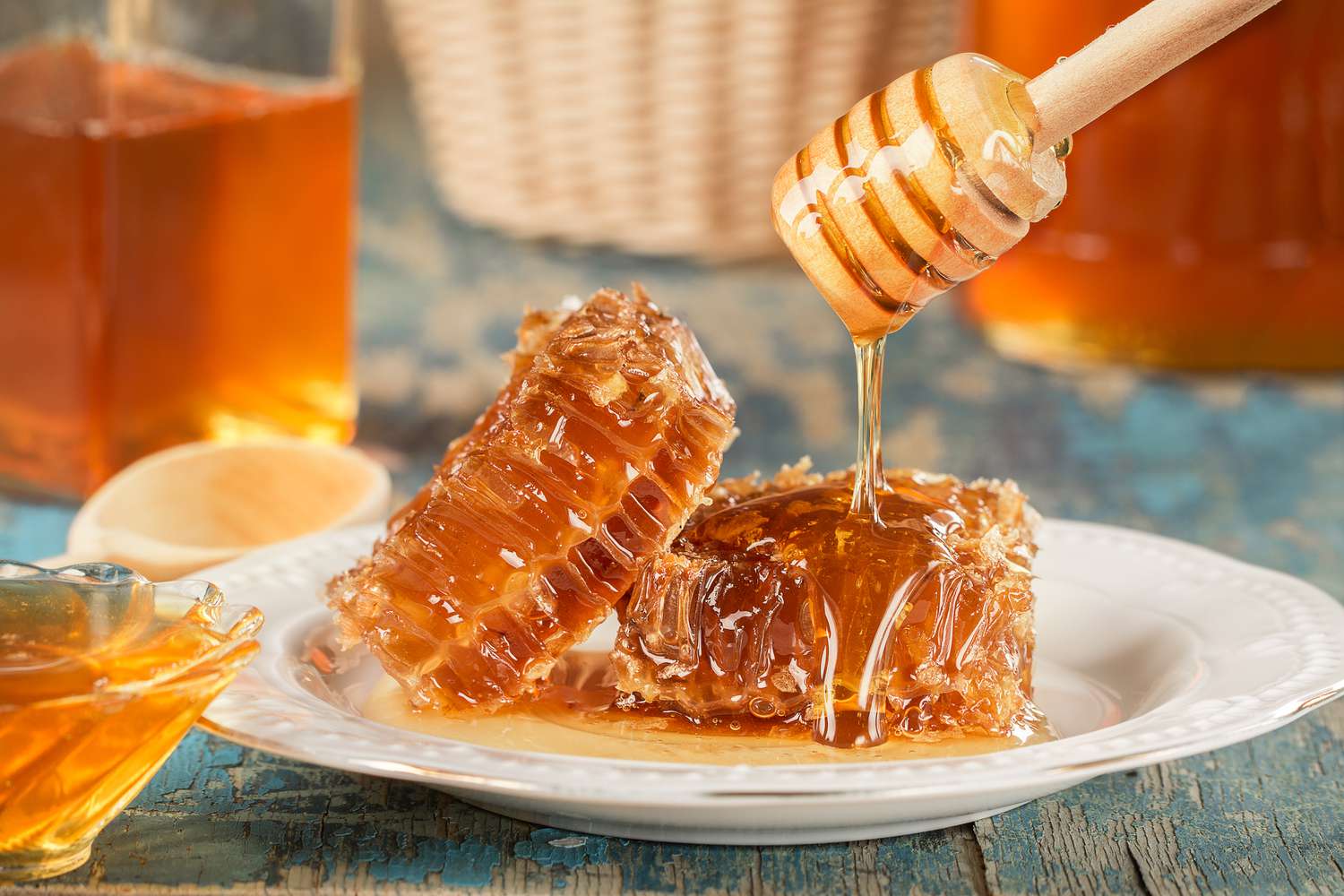
What is Raw Honey?
Raw honey is honey that is in its purest form. Usually, it’s harvested straight off the hive. Not to mention, it is not excessively heated or filtered. This process doesn’t just assist in conserving the important enzymes. It also helps to conserve nutrients found in the honey. All these can be lost during the pasteurization process. Compared with filtered honey, raw honey can be cloudy. This is because it still contains natural particles. Examples don’t just include beeswax and pollen. They also include honeycomb debris. These attributes allow you to identify it quickly when you need an uncontaminated and pure product.
The Importance of Raw Honey
Raw honey is not only a natural sweetener but a balanced powerhouse with a variety of benefits. These are some of its benefits:
- Rich in nutrients
- Supports digestion
- Boosts immunity
- Natural remedy
- Anti-inflammatory properties
- Boost skin health
Tips for Spotting Raw Honey
Looking to buy raw honey, there are some things to remember. Here are some of these tips:
See Cloudiness, Crystallization.
The appearance of raw honey is one of the easiest to identify. Raw honey is opaque. This is as opposed to processed honey. Usually, a processed one is transparent. This is a cloudiness attributed to natural particles left in the honey. This often gives it its unique texture. Crystallization is another indicator to monitor. Raw honey will crystallize over time. That is because the sugars have a natural tendency to separate. When your honey remains liquid, it has probably been filtered or pasteurized.
Check the Label: Raw or Unprocessed
Always read the label when purchasing honey. Raw honey will typically say it is raw directly on the label. On the label, you will see something like raw or unfiltered. These labels are significant. This is because they indicate that the honey has not been exposed to heat. Honey labeled as purest may appear as a safe choice. But this designation does not always mean that the honey is raw. Constantly seek out the particular reference to being raw. With this, you can ensure you are receiving the unadulterated version.
Smell and Taste Test
Raw honey has a rich flavor. This flavor changes based on the flowers from which the bees acquired nectar. Uncooked honey can feel floral or earthy. That makes its taste richly sweet with a touch of nuance. When the honey has an unpleasantly sweet taste, it is likely not raw. Likewise, the smell of raw honey will be frequently floral or herbal, unlike the neutral, sometimes faint smell of processed honey.
Carry out the Water Test
A water test is another simplistic way to examine the authenticity of raw honey. Just grab a small spoonful of honey and pop it into a glass of water. Raw honey will not dissolve instantly at the bottom of the glass. However, processed honey will dissolve rapidly. That is because sometimes it has added sugar or water. The reason this test works is that raw honey has a higher density. Plus, it has a thicker consistency than processed honey.
The Price Factor
The cost of honey can be quite a measure of its genuineness. True raw honey tends to be pricier. This is because the process behind its harvesting is labor-intensive. Plus, it is neither heated nor filtered. When the honey turns out to be unusually cheap, a good possibility is that it has been diluted. Not a foolproof technique, but when you are paying a premium price for honey, you are more likely to be experiencing raw honey.
Storing Raw Honey
The key to maintaining your raw honey is to store it well. We suggest keeping it in a cool and dry environment without direct sunlight. That is because the heat may compromise its quality. A tightly closed container will also maintain the freshness of the honey. Not to mention, it will stop the leakage of moisture that may cause fermentation. When stored properly, raw honey can have a shelf life of months. Plus, it may even develop a better taste over time.
In conclusion, these tips will not just help you clearly recognize pure raw honey. It will also ensure that you savor all the natural advantages it provides. So, it is important to understand how to identify raw honey. This will help you get the highest quality product available.