Tolerance, records, architecture, music, monuments, tulips, dolphins, connoisseur food, lifestyle, modernity, warriors, poets, teachers, and students converge in Istanbul, the jewel in Turkey’s crown. Istanbul rolls off the tongue, detonating a starburst of romance, intrigue, the conflict of empires, and a false impression about its call. It is regularly supposed that Constantinople, the Byzantine call, was reinvented in Turkish as Istanbul. Neighborhood Greeks had usually stated Constantinople as “is tim Bolin,” which means “to the town.”
Shrine to divine understanding
The conquerors reported it as Istanbul, which is also the seat of Orthodox Christianity’s Patriarchate and its biggest cathedral, the Hagia Sophia, the shrine to divine know-how. Today, as a museum and a UNESCO World Heritage site, it exemplifies tolerance and sagacity. The underside of the apse semi-dome of the Hagia Sophia is well-known as the unique icon of the Virgin Mary and infant Jesus, a lovely visitor with the clarity of its colorations.
Hagia Sophia changed into converted into a mosque by way of a proper conquest in 1453, however, the icon changed into retained, in mute testimony to the astute goodwill of Ottoman Sultan Mehmed the Conqueror. He also ceremoniously mounted Gennadius Scholarius as the Ecumenical Patriarch of Constantinople, making him the second-largest asset proprietor of the Ottoman Empire.
Outside, in fantastic luminosity, Sultanahmet Square pulsated with life between the domes and minarets of the Hagia Sophia and the Sultanahmet Mosque (extensively referred to as the Blue Mosque) at opposite ends. Sultanahmet Square radiates an unearthly splendor of color-coded tulip beds during the spring tulip competition. Native to Turkey, tulips have stimulated the form of turbans and tea glasses. Trees flaunt their superb blossoms, and squealing kids frolic on the lawns. Stalls of sesame-lined simit snack bread, corn on the cob, ice cream, and different delights fill the golden sunlight. Sultanahmet Square is near the Beyoğlu District, teeming with centuries of multi-rooted subculture. From its sweeping waterfront, you might even be fortunate enough to see dolphins showing off their leaps among the two halves of the megalopolis. The district’s rooftop cafe-eating places proffer stunning skylines and Bosporus perspectives. Wraps are available to beat back the evening kickback, and present-day patrons fill the terrace-top tables set between overflowing flower-packing containers.
The Soul of Istanbul
Nearby, Topkapi Palace’s privy chamber houses relics exclusive to Islam and others not unusual to the Abrahamic religions. Historical Ottoman treasures are displayed in the Topkapı Museum.
From the Beyoğlu district, a memorable stroll alongside streets that undulate through fascinating neighborhoods of colorful architecture reaches the Galata Bridge. Restaurants underneath the bridge specialize in grilled fish, rice with mussels, and other dishes.
Die-difficult carnivores, although, would possibly prefer to go to the water for the gourmet pleasures of the Galata and Karaköy area, north of the Golden Horn-Bosporus junction. This district’s 14th-century Galata Tower affords sweeping perspectives of Istanbul’s refreshingly low skyline, interspersed with its signature domes and minarets. There is no feeling of being hemmed in by vertically overpowering concrete tower blocks.
Of course, Istanbul has its excessive rises, but in soothing beige and brown combinations that harmoniously accommodate the traditional arches, pillars, and domes inside the team spirit of present-day glass and concrete. The steep cobblestone streets leading to Galata Tower are not demanding, as the temptation to stop at the overflowing boutique stores provides timely breaks. They are nicely lit, their items are attractively showcased, and the shopkeepers are polite and friendly. Eateries also abound to trap passersby.
Turkish meals at its fine
The sort of Turkish delicacies pleases the maximum jaded palates, and the scale of prices makes them inclusive. Even in an eating place, there may be no strain to reserve a 3-course meal, and the natural courtesy of the restaurateurs ensures a nice dining experience. Check out locations where young Turks hang out, often singing songs in companies. They are friendly, and if you like the appearance of a dish they are ingesting, ask them what it’s like. They’ll even help you order it!
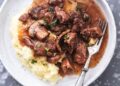
To eat properly without frills, look out for the Esnaf Lokantası sign of running guys’ “artisans’ restaurants.” They serve wallet-pleasant, conventional hearty fare. On the way out, ring the bell by the door if you’re glad! And the Ev Yemekleri sign is a jackpot. It’ll commonly be a hollow-in-the-wall enticing you with domestic cooking, which includes Güveç stew through the gifted chef Isme Rose in Üsküdar district, in the heart of the vintage Armenian and Jewish quarters on Istanbul’s Asian side. The fish market and the industrial vicinity are where buyers aren’t vacationers, and lunchtime restaurant purchasers are neighborhood tradespeople. So, revel in your lunch of “fırında kuzu tandır,” roasted tandoori lamb served with buttery rice pilaf or fluffy bulgur. Follow up on your desire with oven rice pudding or the luxurious Balkan trileçe, and end with rose tea in tulip cups.
However, the disappointing quality of Istanbul’s English symptoms struck a bizarre note with the overall experience of performance perceived via foreign eyes. That said, in addition to the monuments noted in the preceding paragraphs, tourist publications are justifiably eloquent approximately Topkapı Museum, all the included bazaars, mosques, churches, universities, İstiklal Avenue, Taksim Square, Dolmabahçe Palace, the Ihlamur Kasrı Palace annexes, and lots of different locations to beckon to you as you wander through this magical town. Just ensure your shoes do not let you down.